

How to Repair a Sliding Patio Door
Many issues can make it difficult to operate sliding patio doors. Luckily, most of these problems can be fixed easily.
Cleaning your patio door sliding will make it easier to fix it. Make use of a brush and soapy water to clean the tracks. After that you can lubricate them to improve their movement.
1. Tracks that are damaged or dirty
Dirt and debris in the track are the main reason for sticky patio doors. Sand and salt from winter roads, pine straw, bird droppings, pet hair, and other nastiness can gum up the process. This is why it's essential to clean and lubricate your sliding doors on a regular basis.
Wear rubber goggles and gloves to shield your eyes. Then, vacuum the tracks with an air vac or brushes to get rid of the gunk. Mix equal parts of water and white vinegar into the spray bottle. Spray a tiny amount of the solution onto your cleaning brushes and scrub the track and sill. Rinse and dry the area using paper towels. This will prevent scratching and further damage to the sill and track.
After the tracks have been cleaned, use a toothbrush to scrub the more difficult areas that are stuck. You can also sand away rough spots on the bottom track and then re-lubricate the rollers to restore smooth operation.
Another reason for a squeaky door is the misalignment of the rollers that can be remedied by adjusting the height and positioning of the rollers. When you replace the weather stripping, it's a great idea to do it to ensure a secure fitting and improve energy efficiency.
Leaking from the track is also a serious issue that can lead to mold growth and structural damage to your home. You might be able to fix the problem yourself when the leak is restricted to a single section of the track. Simply seal the joint. If the issue is extensive you should contact a professional to fix the patio door.
2. Broken or damaged screen
A patio door that doesn't allow for a good air flow can make your home feel uncomfortable and uncomfortable. It can also be a welcome entryway for mosquitoes and pests. It is important to call an expert when you spot an unfinished screen or fog that has formed between the glass panes.
If patio doors repairs have a basic sliding patio door, the easiest solution is to replace your screen with a brand new one. You can buy screen material in rolls that are pre-measured to fit a variety of door sizes. It's also offered in complete screen repair kits that include screen, spline and roller all in one package.
To put up the new screen, begin by locating a flat surface you can work from and then lay out your replacement material across it. Then use your scissors to cut the screen to length to ensure that an inch or two of the screen covers on both sides of the frame. Then, you can remove the old spline along with any screen that's left from the window frame using your utility knife.
Now you can lay down the new screen spline beginning at the bottom left corner of the frame and work towards the edges. Once the spline has been set, use the screen rolling tool to push it into the groove. Trim any excess spline and screen with your utility blade making sure not to cut the inside frame of the window. You should also check the spline for any distortions or ripples and adjust the screen as needed.
3. Seals that leak
If you see water pooling or trapped between the glass panes of your patio door, it is an indication that the seals and frame have lost their elasticity. This can lead mold and decay, and higher energy bills due to air leakage and drafts.
Leaking seals can be caused by improperly installed flashing or caulking. It is important to hire an experienced professional who will install patio doors and ensure that the frame is properly caulked and flashed.
You'll want to seal any gaps or cracks with caulking that is suited to your specific type of weather. For instance, if you live in a humid climate like Ontario you'll need to choose a caulking that will stand up well to moisture.
The shims that are placed beneath the door frame could also cause leaks. They are usually made of wood and help keep the sheathing level with the framing, however if they're not set up correctly, they can create an opening that allows moisture to enter your home.
One way to test the seals by spraying the frame with a hose or garden nozzle. If you notice the mist forming in these areas, it's time to contact a professional examine the frame at the installation. It's possible that additional caulking is all required, or the shims have to be replaced. In either case, addressing the issue quickly will prevent the possibility of further damage and costly repairs. It is always better to fix your frame or patio door before it's too late to wait.
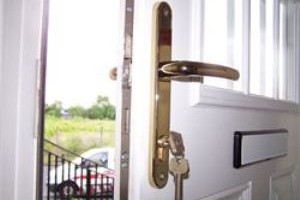
4. Warped Frame
When wood is exposed to external forces, such as a fluctuation in humidity, it can absorb and lose moisture, which can cause the frame to warp. A sagging frame can make it difficult to operate the door, and eventually cause damage or failure. This is especially the case for doors that divide damp garages and basements from living spaces.
A few minor repairs are able to usually fix a sagging frame. Begin by looking at the frame to ensure that all of the screws and bolts are secure and tight. Replace any missing or loose screws. Replace the hinge screws with larger ones, with a preference of 2 inches or more. This will allow the screw to pierce the wall framing instead of the door jamb, and pull the frame back in place.
You can also add shims. These are thin pieces that can be placed on top of the hinges. This will allow you to tweak the way that the frame is placed. Shims can help to support the frame and spread the weight evenly across a wider area and prevent the frame from becoming damaged over time.
You might want to engage an expert to repair more serious frame warps. A professional can perform an exhaustive examination to determine the severity of the issue and provide you with an extensive repair solution. They can also put in additional bracing to strengthen the frame and help to prevent it from sagging in the future. In most cases this is a much more durable and cost-effective solution than simply purchasing new patio door components. If the frame is significantly warped, you may need to replace the entire jamb of the door instead of only the door itself.
5. Cosmetic Damage
Over time, patio door can suffer from many wear and tear. Damage to the surface can make your doors look less appealing, and impact the overall appearance of your home. The good news is that most cosmetic damage is easily repaired using bonding fillers or paint. However when the door has significant cracks or dents, it will be best to replace it instead of trying to repair it.
Similar to the seal around windows, a door's weatherstripping may be less effective over time. It could result in gaps that allow outside air to get into your home, which can lead to higher energy costs. A professional door repair specialist can install new weatherstripping in order to decrease energy loss and increase insulation.
Moisture on the outside of your door is never good news however patio doors are particularly vulnerable to it. The moisture could cause wood rot, which is difficult and expensive to fix. The best method to protect your home is to have any leaks fixed immediately by a certified professional.
Over time, a patio door can be misaligned due to normal use or foundation changes. This could cause the doors to become jammed or difficult to open and close. A door repair technician can realign the tracks and hinges to ensure smooth operation. They can also replace worn-out rollers and hinges to restore their functionality.